
NGOs in the Education Space
Non-Governmental Organizations (NGOs) in the education sector play a crucial role in addressing the gaps in access to quality education. These organizations work alongside governments, local communities, and educational institutions to provide inclusive, affordable, and effective learning opportunities. Their focus often lies in underserved areas, aiming to improve literacy rates, offer vocational training, and provide educational resources to children and adults who may otherwise have limited access.
NGOs in the education space can operate on various levels—from grassroots initiatives to larger, more structured programs that advocate for educational reform. Their programs often target marginalized groups, including children with disabilities, underprivileged children, and communities in rural or remote areas.
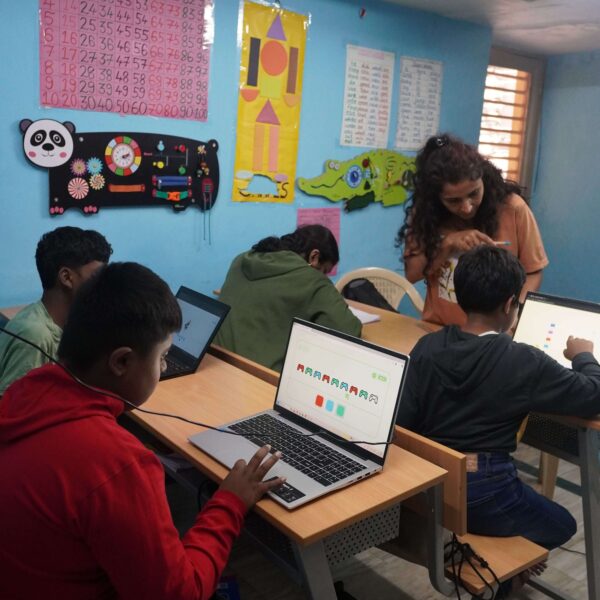
Why Are NGOs Important in Education?
- Promoting Inclusive Education: NGOs help bridge the educational divide by focusing on inclusivity, ensuring that children from all backgrounds have equal opportunities to learn and thrive.
- Resource Distribution: Many NGOs provide educational materials such as books, computers, and infrastructure to schools, especially in underserved areas.
- Vocational Training: NGOs offer vocational training programs to equip individuals with practical skills that enhance employability and support economic growth in communities.
- Raising Awareness: NGOs often advocate for educational reforms, raising awareness about the importance of education for all children, particularly in marginalized communities.
Job Roles of NGOs in the Education Space
NGOs working in education offer a wide range of job opportunities. These roles are pivotal to the functioning of educational programs and the delivery of services. Some common job roles include:
- Program Manager: Oversees the implementation of educational programs, ensuring they align with the NGO’s objectives and reach the intended beneficiaries.
- Education Coordinator: Works directly with schools and communities to implement educational programs and manage resources effectively.
- Field Officer: Engages with local communities to identify educational needs, collect data, and support the execution of grassroots initiatives.
- Teacher/Trainer: Provides direct instruction to students in formal or informal educational settings, often focused on specific subjects or vocational training.
- Monitoring & Evaluation Officer: Monitors the progress of educational initiatives, collects data, and evaluates the effectiveness of programs in improving educational outcomes.
- Advocacy Specialist: Works to influence policy and raise awareness on key issues in education, advocating for changes at local, national, or international levels.
FAQs
NGOs bridge gaps in access to education, offering resources, training, and support to underserved communities. They promote inclusivity and work to improve the quality of education for marginalized groups.
You can get involved through volunteering, internships, or by contributing financially to education-focused NGOs. Many organizations offer opportunities for those passionate about making a difference.
Yes, many NGOs specifically target rural and remote areas where access to quality education is limited. They provide resources, educational programs, and training to improve literacy and vocational skills.
Many NGOs focus on special education for children with disabilities, offering tailored programs that address unique learning needs and providing support for families.