
NGOs Offering Vocational Skills
NGOs offering vocational skills play a crucial role in providing practical, hands-on training to individuals who may not have access to traditional education or formal job training. These organizations aim to equip individuals with marketable skills, such as carpentry, sewing, IT skills, electrical work, and more. By offering specialized vocational programs, these NGOs empower individuals to achieve economic independence and improve their quality of life.
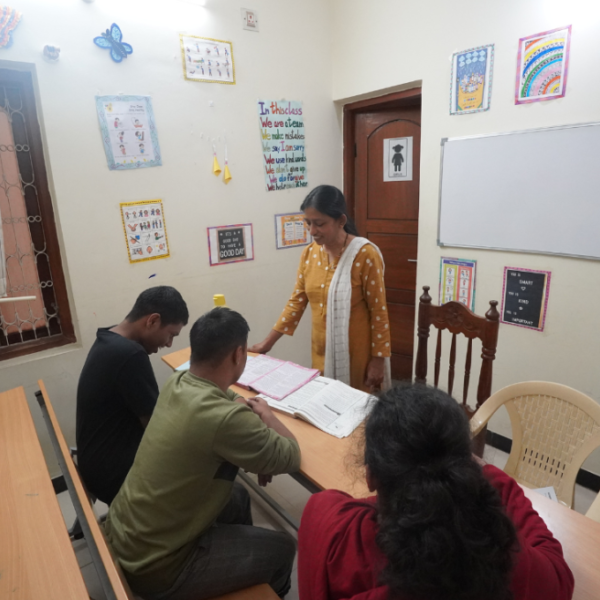
Why is Vocational Skills Training Important?
- Empowering Individuals: It provides people, especially those from marginalized communities, with the skills necessary to secure stable employment.
- Improving Employment Opportunities: By learning practical skills, individuals can find jobs in various industries, reducing unemployment rates.
- Promoting Economic Growth: Vocational training helps in creating a skilled workforce, leading to economic development within communities.
- Fostering Independence: Vocational education allows individuals to support themselves and their families, reducing dependency on aid or welfare programs.
Job Roles of NGOs Offering Vocational Skills
The primary job roles within NGOs offering vocational skills include:
- Trainer/Instructor: Trainers are responsible for teaching and guiding individuals in their vocational skills. These experts in various trades provide hands-on training and support.
- Program Coordinator: A program coordinator oversees the planning and implementation of vocational programs. They ensure that resources are available and manage schedules for trainees.
- Community Outreach Specialist: These professionals help raise awareness about vocational programs and encourage individuals to participate. They also help connect NGOs with local communities.
- Career Counselor: Career counselors assist trainees in understanding their strengths and guiding them toward appropriate job opportunities after completing their training.
- Administrative Support: Administrative roles are crucial for the smooth operation of vocational programs, handling paperwork, scheduling, and communication with stakeholders.
FAQs
Vocational skills programs are designed for individuals who wish to learn practical skills for employment, especially those who may not have access to higher education or formal training.
NGOs offer a wide variety of vocational skills, including but not limited to: tailoring, carpentry, electrical work, plumbing, digital skills, graphic designing, and hospitality services.
The duration of vocational programs varies depending on the skill being taught. Programs can range from a few weeks to several months.
Yes, many NGOs collaborate with businesses and organizations to offer job placement support to graduates of their vocational skills programs.