Why Every Special School Should Include Skill-Based Training Activities
-
by
admin
Why Every Special School Should Include Skill-Based Training Activities
Introduction
Education is about more than reading books or memorizing lessons — it’s about building skills for life. For children with special needs, this truth holds even greater importance. While traditional academics teach knowledge, skill-based training empowers students to live independently, work confidently, and engage meaningfully with the world.
At Chiranthana, every learning experience is designed to develop the individual potential of each student. Through structured skill-based training programs, Chiranthana equips learners with practical abilities — from communication and social skills to baking, gardening, and vocational crafts — ensuring they’re ready for both life and livelihood.
The Importance of Skill-Based Education in Special Schools
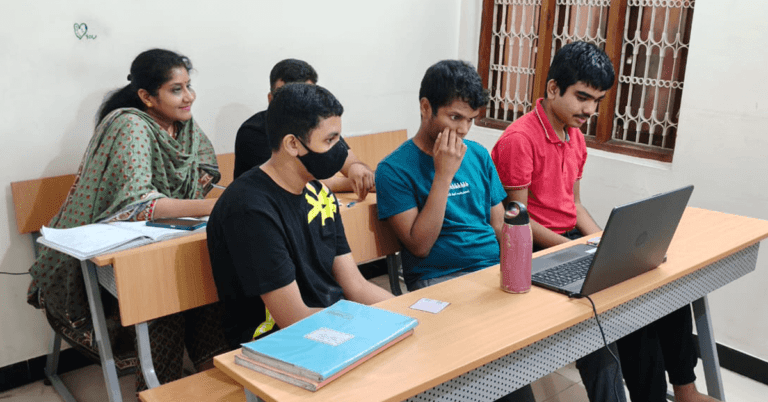
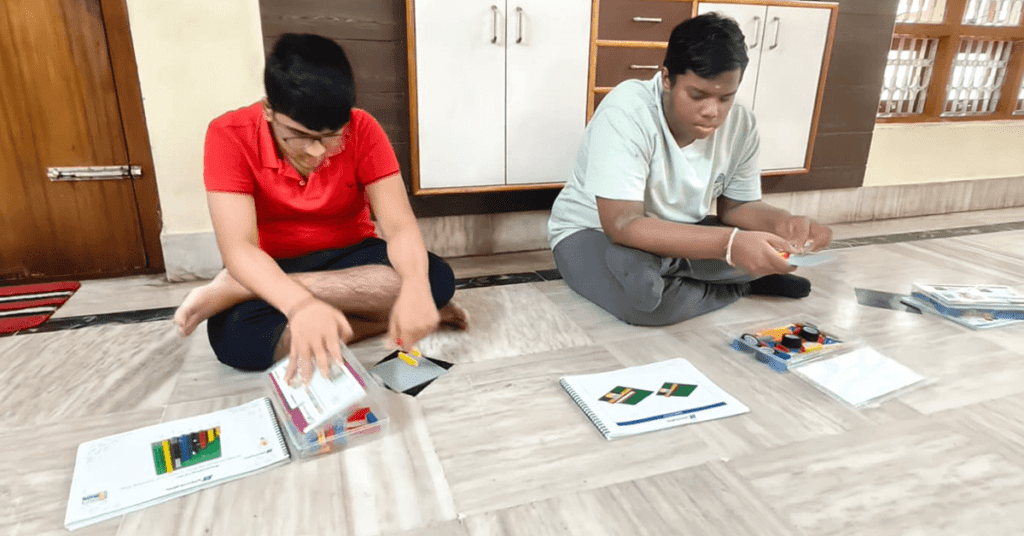
In many traditional classrooms, the focus remains on academics — reading, writing, and arithmetic. However, children with intellectual or developmental disabilities often benefit more from experiential, hands-on learning that connects directly to real-life situations.
Skill-based training bridges the gap between learning and living by teaching children how to:
- Perform daily activities independently.
- Communicate effectively with others.
- Develop self-confidence and social awareness.
- Prepare for future employment or entrepreneurship.
When special schools integrate such programs, they nurture capability, confidence, and community participation, making education truly inclusive and purposeful.
Chiranthana’s Philosophy: Learning Beyond the Classroom
At Chiranthana, skill-based training is not just an added activity — it is at the heart of the educational process. The organization believes that every learner, regardless of their challenges, possesses unique strengths that can be developed through practice and encouragement.
Chiranthana’s approach includes:
- Personalized learning plans based on each student’s ability and interests.
- Activity-oriented sessions that make learning fun and interactive.
- Vocational and life skill training that enhances independence.
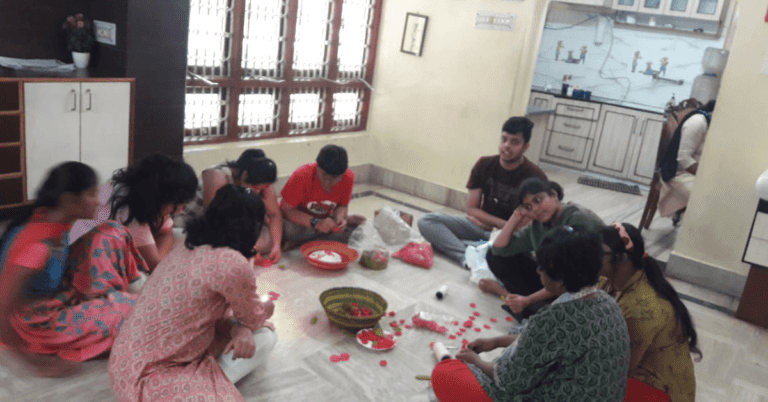
- Collaborative projects that build teamwork and communication.
Types of Skill-Based Training Activities at Chiranthana
Chiranthana offers a range of practical learning opportunities that combine education with empowerment. Some key activities include:
1. Baking and Culinary Training
Students learn to bake cookies, cakes, and snacks, understanding hygiene, measurement, and teamwork. These sessions often lead to community bake sales — a proud moment for every participant.
2. Gardening and Environmental Care
Gardening helps learners connect with nature while developing responsibility, patience, and sensory awareness. It also teaches the value of nurturing growth — in plants and in themselves.
3. Art and Craft Workshops
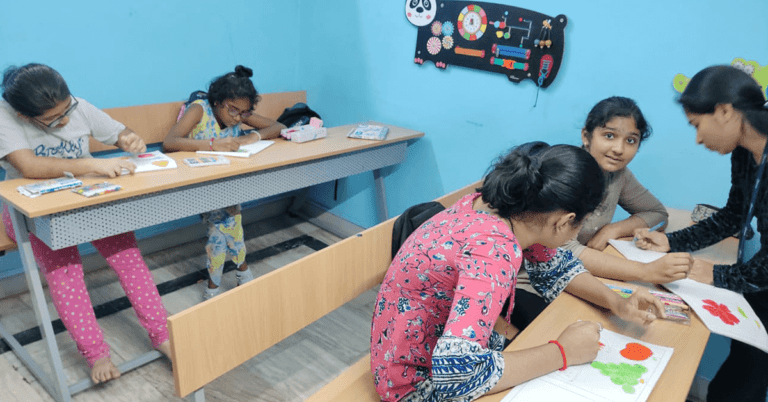
Through painting, clay modeling, and creative crafts, children express emotions, build focus, and enhance fine motor skills. These artworks often become beautiful products for exhibitions.
4. Daily Living Skills
Training in self-care, dressing, grooming, and simple household tasks gives students confidence to manage personal responsibilities independently.
5. Communication and Social Interaction
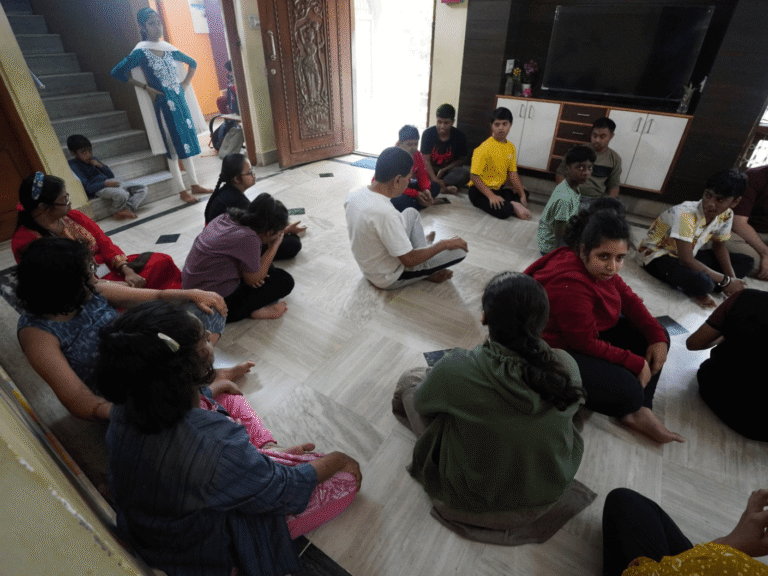
Interactive activities like role play, group discussions, and speech therapy sessions help children express themselves clearly and confidently.
Each of these programs at Chiranthana is adapted to suit diverse abilities, ensuring that every learner feels capable and successful.
How Chiranthana Implements Skill-Based Education
Chiranthana’s programs are thoughtfully structured to ensure consistency, inclusivity, and measurable outcomes.
Key features include:
Individual Assessments: Understanding each student’s interests, strengths, and learning pace.
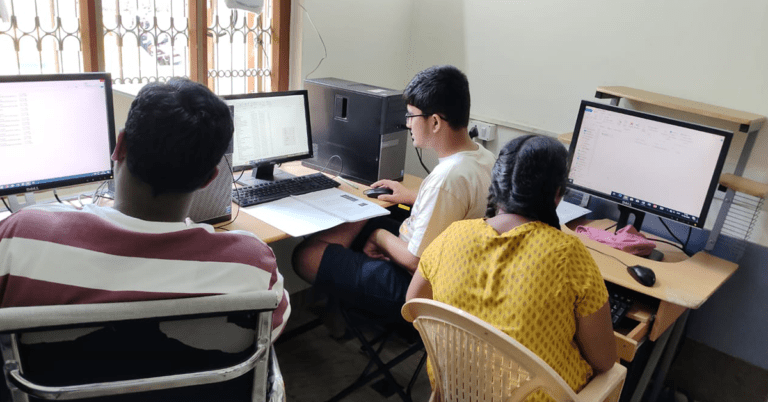
Practical Classrooms: Equipped with baking units, art corners, and activity areas to promote real-world learning.
Trained Educators and Therapists: Professionals who combine compassion with expertise to guide students effectively.
Parental Involvement: Families are encouraged to continue training at home, reinforcing classroom learning.
Community Engagement: Students participate in local events and exhibitions, gaining exposure and confidence.
This collaborative approach allows students to apply what they learn in real settings — preparing them for meaningful social participation.
Why Every Special School Should Follow This Model
Chiranthana’s success story proves that skill-based training is not optional — it’s essential for special education. Every special school should integrate such programs because:
- It aligns education with real-life needs.
- It enhances inclusion by bridging classroom and community.
- It provides opportunities for self-employment and social contribution.
- It transforms education into empowerment, not just instruction.
By adopting skill-oriented practices, schools can ensure that students are not only educated but also equipped — ready for life, work, and independence.
Conclusion
Skill-based training is the foundation of meaningful education for children with special needs.
At Chiranthana, every activity — whether baking, crafting, or gardening — is designed to ignite confidence, independence, and purpose.
When special schools include such programs, they go beyond teaching — they transform lives.
Through its compassionate approach, Chiranthana continues to set an inspiring example, proving that with the right guidance and opportunities, every learner can shine, achieve, and contribute proudly to society.